
From Sci-Fi to Reality: The Everyday Uses of Smart Glass Today
Smart glass uses electrochromic, liquid‑crystal and suspended‑particle technologies to vary transparency, control glare and manage solar heat in buildings smart glass Malaysia, vehicles and public spaces. It reduces HVAC loads, enables instant privacy without blinds, supports adaptive lighting for occupant comfort and serves as dynamic signage or display surfaces in commercial settings. Integration with sensors and building controls optimizes performance and energy use. More practical applications, lifecycle considerations and retrofit strategies follow for those who want greater detail.
How Smart Glass Works: Key Technologies and Mechanisms
In examining how smart glass functions, the focus lies on the interplay between material science, electrical control, and optical physics: electrochromic, liquid crystal, suspended particle, and thermochromic systems each manipulate light transmission through different mechanisms—ion migration and redox reactions in electrochromics, molecular reorientation in liquid crystals, particle alignment in suspended-particle devices, and temperature-dependent phase changes in thermochromics—while driver electronics, transparent conductors, and control algorithms determine switching speed, energy use smart glass film, and optical uniformity. The analysis emphasizes electrochromic chemistry for durable, low-energy tinting and suspended particle optics for instant, voltage-driven scattering control, balancing responsiveness, haze, and longevity.
Smart Glass in Homes: Comfort, Privacy, and Energy Savings
When integrated into residential design, smart glass aligns occupant comfort, visual privacy, and HVAC efficiency by dynamically controlling solar heat gain and daylight transmission. The technology enables adaptive ambient lighting, reducing reliance on artificial fixtures and supporting circadian-friendly schedules. Privacy modes shift opacity instantly, granting residents autonomy over sightlines without physical blinds. Energy models show lower cooling loads and peak demand, while smart scheduling pairs with thermostats for optimized operation. Integrated panes can include acoustic control layers, improving bedroom and home-office isolation. Installation decisions prioritize glazing orientation, control algorithms, and user interfaces that favor intuitive, permission-based freedom and measurable savings.
Commercial and Public Spaces: Offices, Retail, and Hospitality
Across commercial and public environments, smart glass delivers programmable control over daylight, glare, and privacy to improve occupant productivity, brand presentation, and operational efficiency. In offices it replaces fixed partitions with on-demand privacy solutions, enabling open plans that convert to confidential rooms instantly, reducing HVAC load and real estate friction. Retailers use switchable panes as dynamic signage and immersive displays that change messaging and transparency without physical fixtures, streamlining campaigns and inventory visibility. Hotels and restaurants deploy responsive glazing to balance ambiance, guest privacy, and energy use, while building managers integrate sensors and APIs for centralized, data-driven control.

Transportation and Mobility: Automotive and Aviation Applications
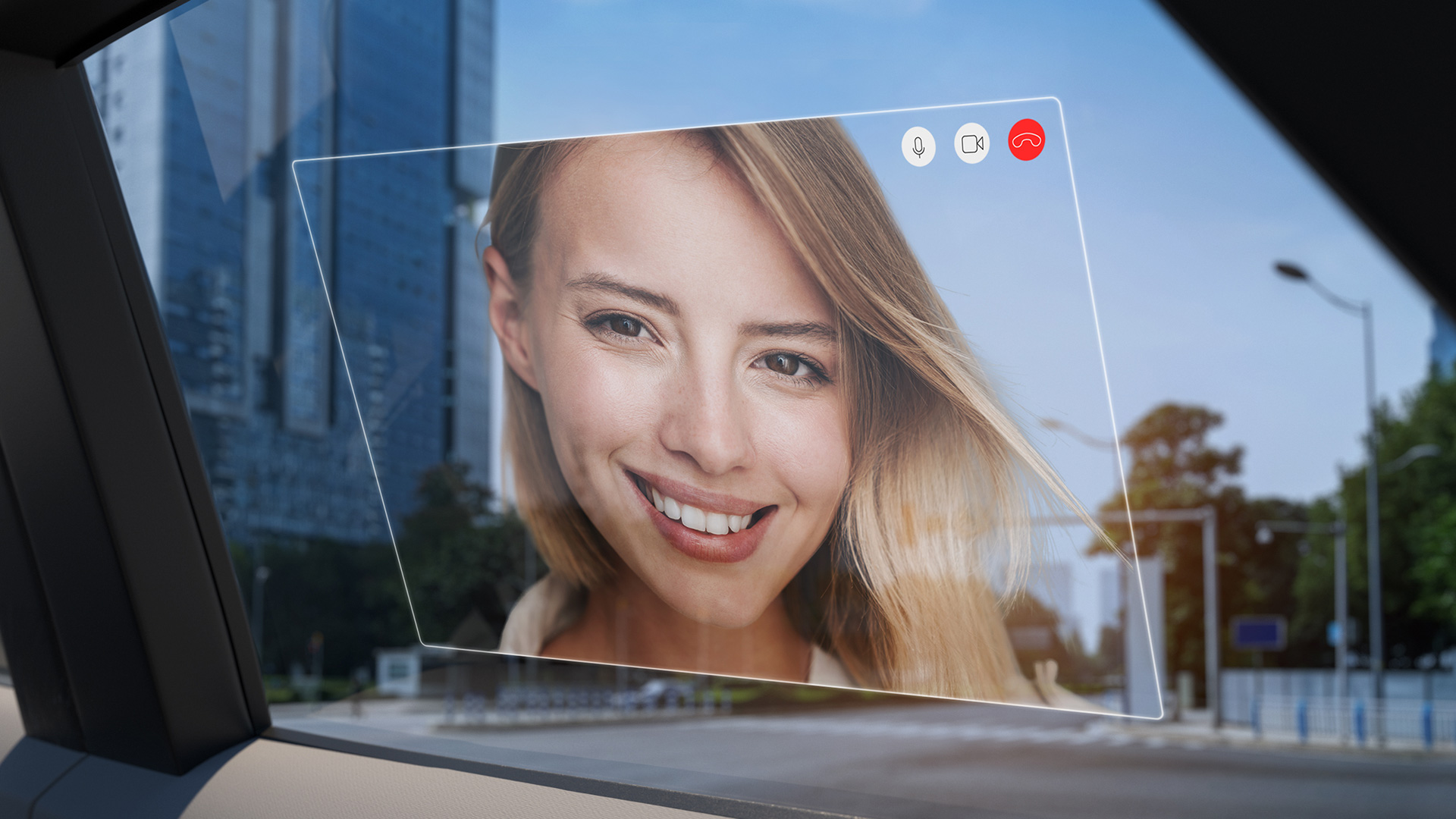
Transportation cabins and façades are being redefined by smart glass, which offers dynamic control over light, view, and thermal transfer to enhance safety, comfort, and efficiency in automotive and aviation contexts. Smart glazing integrates electrochromic windows for glare and heat management, while heads up displays project critical data onto windshields and canopies. Systems reduce HVAC loads, improve situational awareness, and enable passenger autonomy without intrusion. Adoption favors modular retrofits and OEM integration. Key functions include:
- Glare suppression via electrochromic tinting
- HUD overlays for navigation and alerts
- Cabin zoning for personalized comfort
- Solar load reduction for energy savings
- Security and privacy controls
Design, Sustainability, and the Future of Adaptive Surfaces
In considering design, sustainability, and the future of adaptive surfaces, smart glass systems are evaluated for lifecycle impacts, material efficiency, and integration with building and vehicle ecosystems. Analysts assess adaptive aesthetics alongside performance metrics, balancing transparency, tinting speed, and user control to preserve occupant autonomy. Material longevity is prioritized: recyclable substrates, low-energy switching mechanisms, and repairable modules extend service life and reduce waste. Energy modeling quantifies daylight harvesting and HVAC load reduction, informing policy and procurement. Modular architectures enable upgrades without full replacement, supporting freedom of choice and technological evolution while minimizing embodied carbon and total cost of ownership.
Conclusion
Smart glass has shifted from speculative concept to practical technology by integrating electrochromic, thermochromic, suspended-particle, and PDLC systems into everyday environments. In homes, offices, transit and hospitality, adaptive glazing enhances comfort, privacy, safety and energy efficiency while enabling new design paradigms. Continued material improvements, smarter controls and lifecycle-focused production will drive broader adoption, reducing operational costs and carbon footprints. Strategic deployment and standards alignment will determine its long-term impact on built environments.