
Are Lizard Repellents Worth It? iGreenAsia Explains
Lizard repellents sometimes reduce sightings in specific spots for short periods but rarely deliver reliable, long‑term population control. Success varies with repellent type, placement, and target species; many trials show short‑term avoidance rather than eradication. Scent‑based and irritant products can cause habituation and may pose risks to people, pets, or non‑target wildlife. Ultrasonic devices lack consistent support igreenasia. For lasting results, exclusion and habitat modification are usually more effective; follow‑up sections outline practical options and trade‑offs.
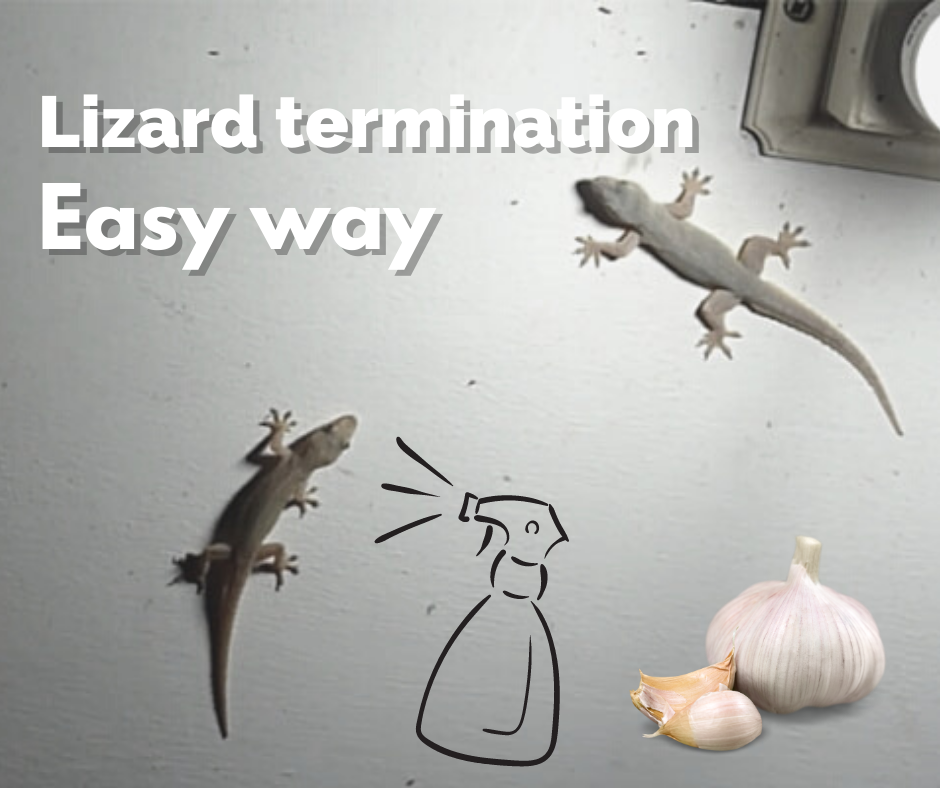
Do Lizard Repellents Actually Work?
How effective are lizard repellent in real-world settings? Evidence shows variable outcomes: some products reduce sightings temporarily, others fail entirely.
Field observations link success to repellent type, placement, and target species. Effective approaches exploit behavioral cues and sensory disruption to deter entry or encourage relocation; consistency and maintenance matter.
Experimental studies often report short-term avoidance rather than population control, so expectations should align with limited, situational gains.
For those valuing autonomy, practical steps include combining repellents with exclusion measures, habitat modification, and monitoring to reinforce effects without dependence on a single solution. Cost-effectiveness hinges on goals—occasional nuisance reduction versus eradication—and realistic timelines for observable change.
How Common Repellents Work (And What Evidence Supports Them)
Explaining common lizard repellents begins with categorizing mechanisms—sensory masking, irritant stimulation, and environmental modification—and summarizing the empirical support for each.
Sensory masking uses strong odors (natural oils, predator scents) to disrupt foraging cues; studies show mixed short-term avoidance but inconsistent long-term efficacy.
Irritant stimulation relies on chemical irritants or spicy extracts to create discomfort; lab trials indicate immediate withdrawal but habituation occurs without repeat application.
Environmental modification reduces shelter and prey availability through habitat changes; field data consistently show decreased presence when microhabitats are altered.
Ultrasonic devices claim disorientation via high-frequency sound, yet controlled experiments provide little reliable effect on reptiles.
Safety, Environmental, And Longevity Trade‑Offs to Consider
When evaluating lizard repellents, consideration must balance human safety, non‑target impacts, and duration of effectiveness: chemical irritants and concentrated essential oils can cause respiratory or dermal irritation in people and pets and may harm insects or aquatic life if washed into waterways; habitat modifications are safest for people but may unintentionally reduce beneficial arthropod populations and require sustained effort; electronic or ultrasonic devices present minimal ecological risk but lack robust long‑term efficacy, and frequent reapplication of odor‑based products can lead to habituation and greater material use.
Decision‑makers should weigh chemical persistence against exposure risks and pet interactions; choose products with documented degradation profiles; prioritize targeted, minimal‑dose applications; and monitor outcomes. Transparent labeling and simple record‑keeping support adaptive, low‑impact management.

When a Repellent Makes Sense : And When It Won’t Help
In many situations a repellent is an appropriate tool—for localized, non‑structural lizard nuisance (e.g., indoor sightings, patios, or garden beds) where quick reduction of presence is desired and exposure risks to people, pets, or sensitive wildlife can be managed. Repellents work best when used short‑term to address seasonal behavior spikes or to protect specific areas. They are less useful against populations sustained by structural vulnerabilities or abundant food and shelter; in those cases repellents only displace animals temporarily.
| Good use cases | Poor use cases |
|---|---|
| Temporary patio or balcony control | Infestations inside walls |
| Protecting pots/garden beds | Sites with persistent shelter sources |
| Short-term seasonal surges | Areas with ongoing food supply |
Decision should favor targeted, reversible measures aligned with freedom to choose and minimal ecological harm.
Safer, Cheaper Exclusion and Habitat Fixes to Try First
After considering situations where repellents are appropriate, the next step is to prioritize exclusion and habitat adjustments that are low-cost, low-risk, and often more durable.
Practical measures include sealing gaps around doors, windows, vents, and utility penetrations to deny entry. Weatherstripping and fine mesh screens are inexpensive, DIY-friendly options supported by pest-control guidance.
Inside and outside, remove clutter such as piles of wood, leaf litter, and stacked boxes that create shelter and feeding sites; organized, open spaces reduce lizard-friendly microhabitats.
Landscaping choices—trimmed groundcover, raised planters, and minimal exterior lighting to limit insect prey—further discourage presence.
These interventions respect autonomy, require little maintenance, and have measurable success in reducing encounters without chemical reliance, making them a rational first line of defense.
Conclusion
Igreenasia concludes that lizard repellents offer mixed results: some commercially marketed formulations and homemade mixtures can deter occurrences briefly, but rigorous evidence for long‑term effectiveness is limited. Practical decision‑making should weigh modest short‑term benefits against safety, environmental impact, and maintenance needs. For most situations, exclusion, habitat modification, and nonchemical barriers provide safer, cheaper, and more durable reductions in lizard presence. Repellents are best reserved as supplemental, temporary measures.